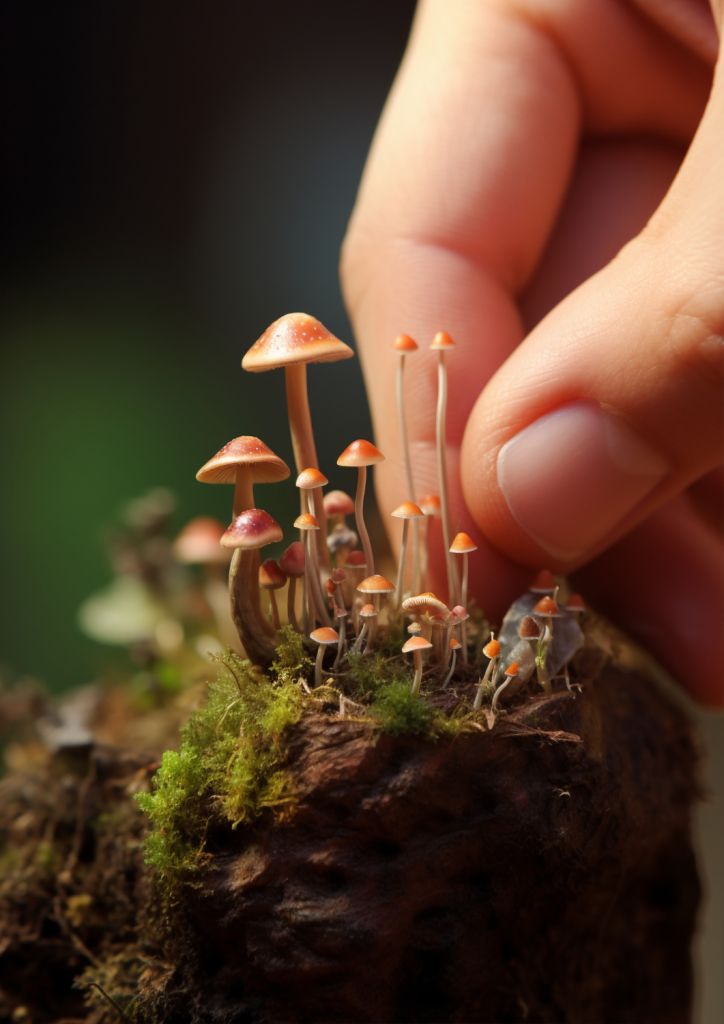

Mushrooms as a living biological system: a scientific perspective on their medicinal potential

Mushrooms are one of the oldest forms of life on Earth. They have existed for over a billion years and form a separate kingdom that stands alongside plants and animals, but does not belong entirely to either. Due to this unique nature, mushrooms have a huge range of effects on biological systems, including the human body.
Modern science considers mushrooms not just as a food product, but as a whole biochemical laboratory, where hundreds of active components are formed: polysaccharides, triterpenes, sterols, antioxidants, enzymes and natural adaptogens. It is precisely because of their complexity that mushrooms act not on one organ, but on the body’s systems, supporting nervous, hormonal and immune regulation at the same time.
One of the key mechanisms is the effect of fungal polysaccharides on the immune response. They interact with receptors on the surface of immune cells — especially macrophages and dendritic cells — activating their natural ability to recognize and neutralize pathogens. Scientific studies confirm that such substances regulate the activity of the immune system, not stimulating it excessively, but bringing it to a state of equilibrium.
Another important area is the neurobiological effect of mushrooms. Some of the active compounds are able to interact with the mechanisms of neuroplasticity – a process responsible for the restoration of neural connections and the regulation of cognitive functions. Scientific works describe that certain mushroom molecules affect the production of nerve cell growth factors (neurotrophins), which improves the brain’s adaptability to stress and strain.
Mushrooms are also involved in the regulation of oxidative balance. They contain powerful antioxidant complexes that reduce the effects of free radicals and protect cellular structures from damage. This is of critical importance for people with intense physical or psycho-emotional stress, because the accumulation of oxidative stress is one of the main causes of exhaustion, sleep disorders and reduced immunity.
Another area that is being actively studied is the effect of mushrooms on energy metabolism. Some of the compounds are able to improve the efficiency of mitochondria – organelles responsible for the production of energy in the form of ATP. This explains why mushrooms are often associated with increased endurance, clarity of thought, and overall tone.
It is also important that mushrooms work slowly but systematically. They do not give an instant effect, but gradually restore the body’s natural mechanisms – from hormonal and nervous regulation to the state of the microbiota. This is their strength: they do not fight the symptom, but create conditions for the body to recover at a deep level.
Mushrooms are a living biological system that has coexisted with us for millions of years. And today, science is only beginning to reveal the potential of what nature created long before the advent of medicine.